Shintoism and Buddhism in Japanese Culture
Shinto and Buddhism are Japan's two primary, coexisting religions, frequently practiced together by the population in a harmonious, syncretic blend.
TEMPLES
In Japanese, "ji" means "temple" and is a suffix used for Buddhist places of worship. It indicates a site for Buddhist rituals, such as Kinkaku-ji or Senso-ji, as opposed to Shinto shrines, "jinja."
There is a temple gate with bells that are rung to indicate the time for prayer. Japanese people hold funerals in a Buddhist manner and graves are often located on the temple grounds.
Shinto is indigenous and nature-focused, while Buddhism was introduced in the 6th century. Together, they influence everyday life, rituals, and cultural values, often splitting roles between life events and death.
SHRINES
Shrines follow the Japanese religion Shintoism, where they worship nature. There are many gods related to various elements and aspects of life. There will be Tori gates which are usually colored vermillion. Meiji Jingu is the largest and most famous shrine in Tokyo. Nestled in a sprawling 170-acre man-made forest in the heart of the city, it is dedicated to Emperor Meiji and Empress Shoken.
Japanese Guidelines
Avoid talking loudly on public transport, eating while walking, tipping, and wearing shoes indoors, especially on tatami mats.
Do not ignore escalator etiquette (stand left in Tokyo, right in Osaka) or disregard train silence rules.
Never Litter!
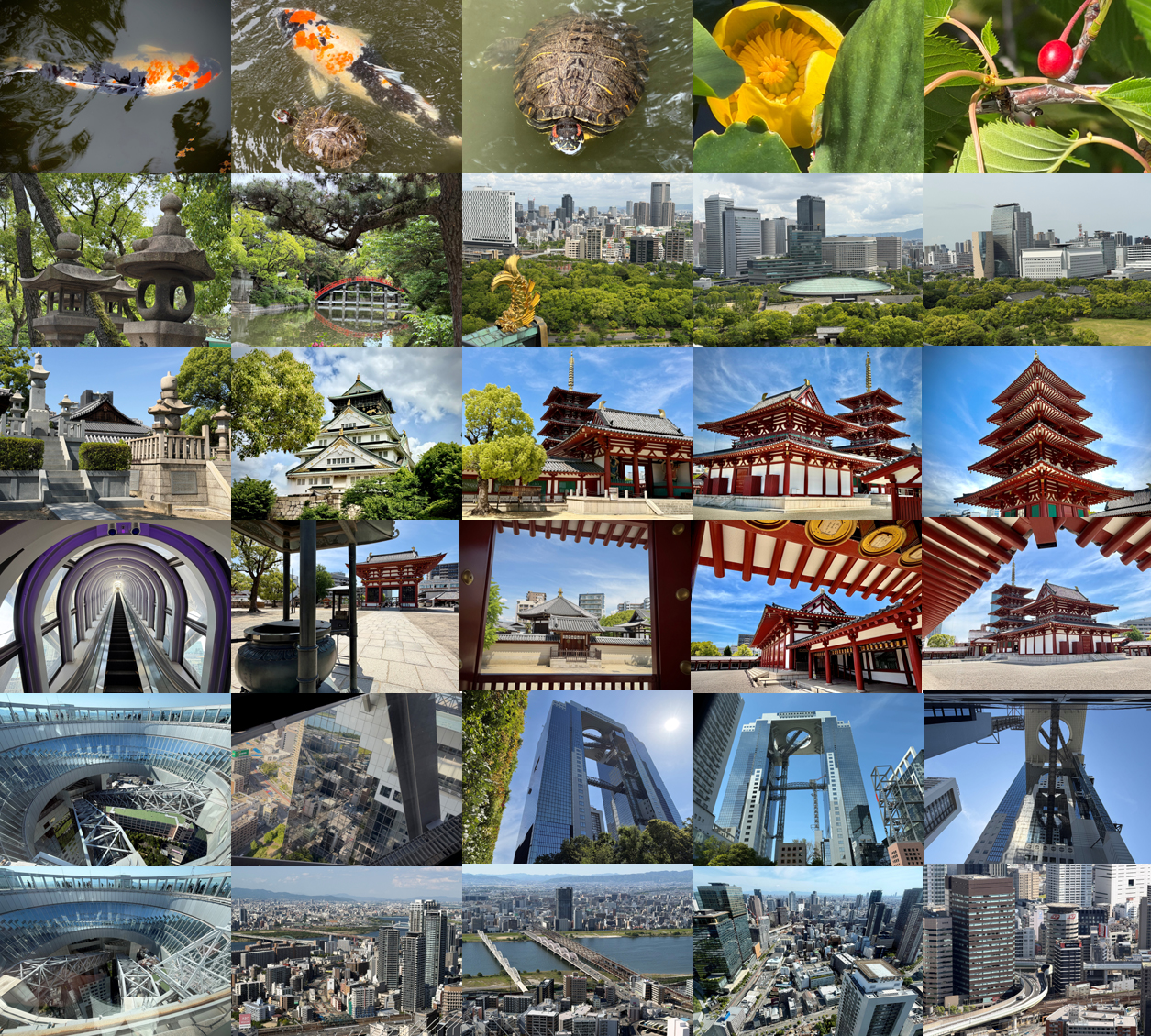
Umeda Sky Building
The Umeda Sky Building in Osaka, Japan was designed by Master Architect Hiroshi Hara in 1988 and completed in 1993.
The 567 foot tall building consists of two towers that are connected with each other by the "Kuchu Teien Observatory"
on the 39th floor.
The observatory offers spectacular views of the city from its open-air deck.
TOKYO ~ "Team Labs Art Installations"
TeamLab currently as two immersive digital art museums in Tokyo: teamLab Borderless in Azabudai Hills and teamLab Planets in Toyosu.
Tokyo's teamLab museums are internationally designed as maples "borderless worlds" to encourage wandering, exploring, and getting lost in the art.
Wander barefoot through glowing water, interact with digital koi upon touch, through interactive installations - think infinite crystal universes, floating flowers, and mirrored surfaces and see the Floating in the Falling Universe of Flowers. Experience art that responds to your presence - touch, move, and become part of the masterpiece. Experience the thrill of Joypolis, Japan's largest indoor theme park, with over 21 exhilarating rides and games for all ages and preferences. Ride the musical rollercoaster Gekion Live Coaster, the skateboard-themed Halfpipe Tokyo, the Transformers arcade game, and more at Joypolis. Step into a sensory world of light, water, and flowers at teamLab Planets, where you can interact with digital and natural elements across 7 installations.
https://teamlab.tickets-tokyo.com/?ci=2&cm=555704551_1310619140528974_c_o_team%20labs%20tokyo%20price_b_{extensionid}&msclkid=ebd3ae33c400132d4ac6c4243c02fa90&utm_source=bing&utm_medium=cpc&utm_campaign=Tokyo%20-%20TeamLab%20Planets%20-%20English%20-%20United%20States%20-%20Search%20-%20All%20-%20All%20-%20cid4054&utm_term=team%20labs%20tokyo%20price&utm_content=Tickets%20-%20Broad%20-%20English%20-%20All
The World's 30 Largest Cities by Population
1 - Jakarta: 42M
2 - Dhaka: 37M
3 - Tokyo: 33M
4 - New Delhi: 30M
5 - Shanghai: 30M
6 - Guangzhou 28M
7 - Cairo: 26M
8 - Manila: 25M
9 - Kolkata: 23M
10- Seoul: 23M
11- Karachi: 21M
12- Mumbai: 20M
13- Sao Paulo: 19M
14- Bangkok: 18M
15- Mexico City: 18M
16- Beijing: 17M
17- Lahore: 15M
18- Istanbul: 15M
19- Moscow: 15M
20- Ho Chi Minh City: 14M
21- Buenos Aires: 14M
22- New York City: 14M
23- Shenzhen: 14M
24- Bengaluru: 13M
25- Osaka: 13M
26- Lagos: 13M
27- Los Angeles: 13M
28- Luanda: 11M
29- Chennai: 11M
30- Kinshasa: 11M