Modern Panama City
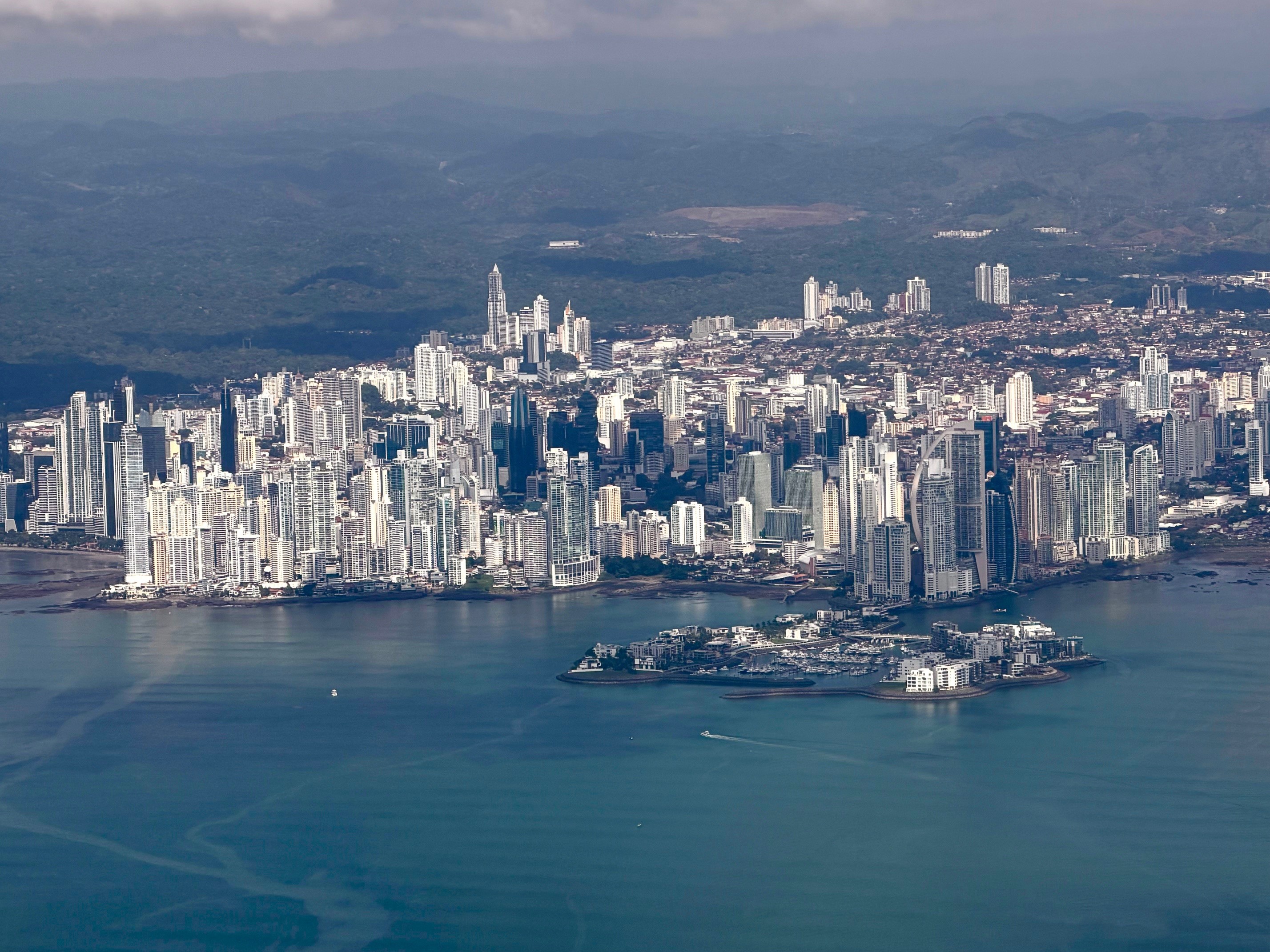
Panama City's skyline is one of the most dramatic and modern in Latin America - a dense wall of glass towers along the Pacific, punctuated by iconic shapes like the twisted F&F Tower and the sail‑like JW Marriott. It's a city built for visual impact, especially at sunrise and sunset when the light hits the waterfront.
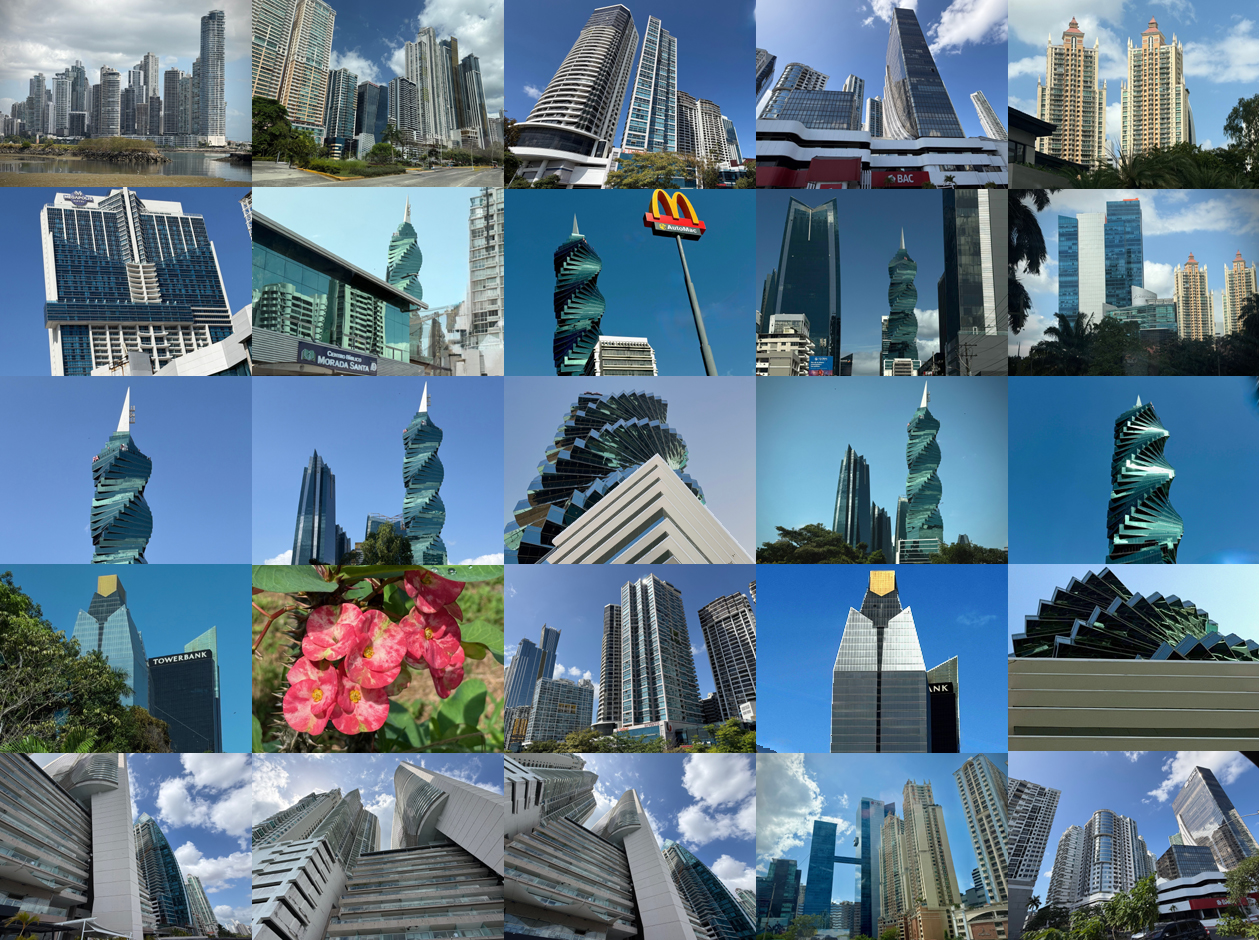
F&F Tower, "El Tornillo," Architectural Icon
Symbol of Modern Panama City
"The Corkscrew"
Panama City's skyline is one of the most dramatic and modern in Latin America - a dense wall of glass towers along the Pacific, punctuated by iconic shapes like the twisted F&F Tower and the sail‑like JW Marriott. It's a city built for visual impact, especially at sunrise and sunset when the light hits the waterfront.
The F&F Tower, ("El Tornillo"), architectural icon and symbol of The Modern Panama City, is only partially occupied because it's an office-only skyscraper completed just before Panama's office market softened. A combination of oversupply, high operating costs, a shift to hybrid work, and its unusual floorplates has kept vacancy high. The F&F Tower has no public observation deck and no tourist-oriented spaces.
Panama City's office oversupply and high vacancy
The tower opened in 2011, during a construction boom that produced far more office space than demand could absorb.
Hybrid work reduced demand for traditional offices
As of 2024-2025, major operators like Regus/IWG are expanding flexible coworking centers in Panama City, including new space inside the F&F Tower. This expansion is happening because companies are downsizing traditional leases and shifting to flexible, smaller footprints.
The building's iconic design creates practical leasing challenges
The tower's dramatic twisting floorplates means: Irregular layouts, smaller usable areas per floor, higher build out costs for tenants. These features make it visually stunning but less efficient than rectangular towers nearby.
High operating and cooling cost
The tower's glass facade and shape increase cooling loads in Panama's tropical climate. Tenants often prefer newer, more energy efficient buildings in Costa del Este or Punta Pacifica. There are no public observation decks and no tourist-oriented spaces. The building is truly an architectural icon, but not a fully leased commercial success!